

Greetings! Happy National Wildlife Day to those celebrating.
Let’s get into today’s top stories.
Forwarded this email? Subscribe to PM Daily below:
SPONSORED SECTION
Sponsor PM Daily! Unlike other free daily newsletters, PM’s ad model works differently: 1. one single sponsor slot per issue; 2. 100% share of voice (SOV) guaranteed; 3. higher return on ad spend (ROAS) from your first placement.
No-brainer, little risk, high upside. Q3 slots are filling up quickly! Reach our rapidly scaling, high-intent, vetted premium audience by replying to this email right now.
🌎 GLOBAL NEWS

🇦🇷 Milei escalates Falklands dispute over oil and Trump comments. Argentine President Javier Milei has intensified Argentina’s sovereignty dispute with Britain over the Falkland Islands, known domestically as the Malvinas. Milei announced tougher measures against companies developing the offshore Sea Lion oil project. British firm Rockhopper Exploration and Israel’s Navitas Petroleum plan to begin drilling in coming months and start production in 2028. The field lies about 140 miles north of the islands. Argentina considers the project an illegal exploitation of resources in waters it claims. Milei also pledged new funding for a naval base in Tierra del Fuego. He praised President Trump for suggesting Washington could reconsider its neutral sovereignty stance. American administrations have long recognized British administration without endorsing either side’s claim. Britain says its sovereignty is not negotiable and cites the islanders’ right to self-determination. A 2013 referendum overwhelmingly favored remaining a British overseas territory. Argentina says Britain has illegally occupied the islands since 1833. The 1982 Falklands War killed 649 Argentine troops, 255 British service members and three islanders. Milei faces reelection next year as his approval weakens and Argentina’s economy struggles. Opposition figures accuse him of using the dispute for domestic political advantage. The renewed confrontation raises stakes around sovereignty, energy development and President Trump’s strained relationship with Britain.
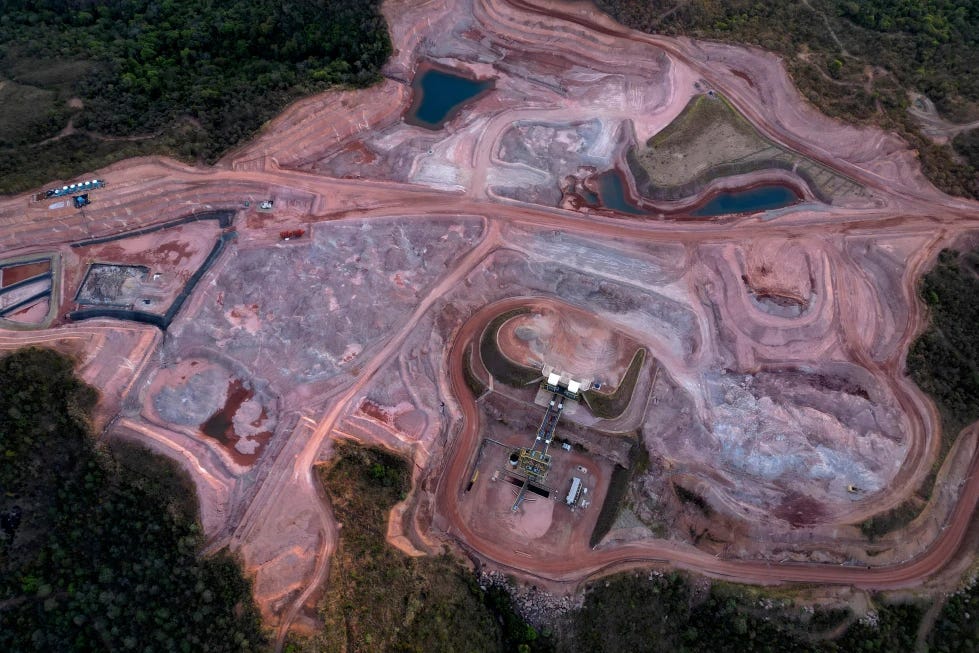
🇧🇷 Brazil moves to turn rare-earth reserves into industrial power. Brazil’s Senate has approved a bill regulating critical and strategic minerals as the country seeks a larger role in global rare-earth supply chains. The lower house overwhelmingly approved the measure on May 6th. It now goes to President Luiz Inácio Lula da Silva, who is expected to sign it. Brazil holds the world’s second-largest rare-earth reserves after China. The minerals are essential to smartphones, electric vehicles, solar panels and jet engines. China still dominates global processing and supply. The legislation creates a framework for exploration and domestic processing. It establishes a federal project-guarantee fund worth about $391M. Another program provides about $978M in tax credits over five years for processing and transformation inside Brazil. A new national council would identify priority projects. It could also screen some foreign investment in companies holding strategic mineral rights. Lula has said Brazil should build domestic industry rather than merely export raw materials. Critics warn the screening powers could increase legal uncertainty for investors. Environmental groups also fear looser mining rules could threaten communities and ecosystems, including areas near the Amazon. The bill places Brazil deeper inside the global contest to diversify supply away from China.
🇺🇸 LOCAL NEWS
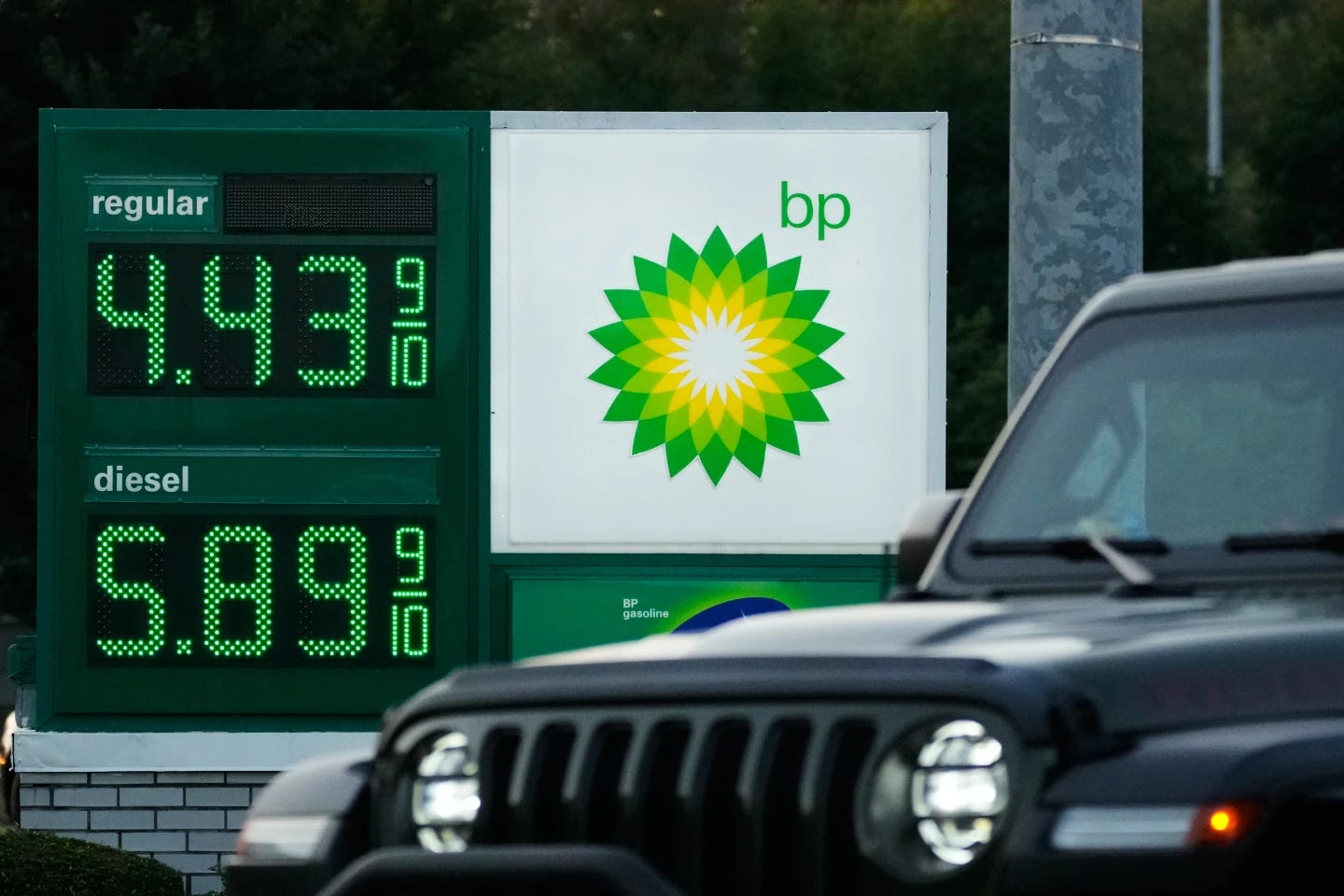
🛢️ Diesel hits record $5.85 as freight costs surge. American diesel prices have reached a record national average of $5.85 per gallon as the Iran war constrains global fuel flows. Diesel averaged about $3.76 before America and Israel launched the war in late February. Brent crude is now trading above $95 per barrel, compared with roughly $70 before the conflict. The previous nominal diesel record was nearly $5.82 in June 2022. Inflation-adjusted prices have been higher in earlier periods. The current increase matters because diesel powers trucks, trains, ships, farm machinery and fishing boats. Grocery costs are especially exposed because produce, meat and other perishables require frequent transport and refrigeration. Fuel represents roughly 15% to 30% of food costs, according to the Independent Grocers Alliance. Clothing, cosmetics and furniture also move through diesel-heavy freight networks. Regular gasoline has risen to about $4.15 per gallon. That compares with $3.20 a year ago and $2.98 before the Iran war. Higher transportation expenses are already appearing in delivery fees and shipping surcharges. Experts warn broader retail prices could rise further if diesel remains elevated. The record adds inflation pressure as households and businesses absorb economic effects of disrupted Middle Eastern energy supplies.
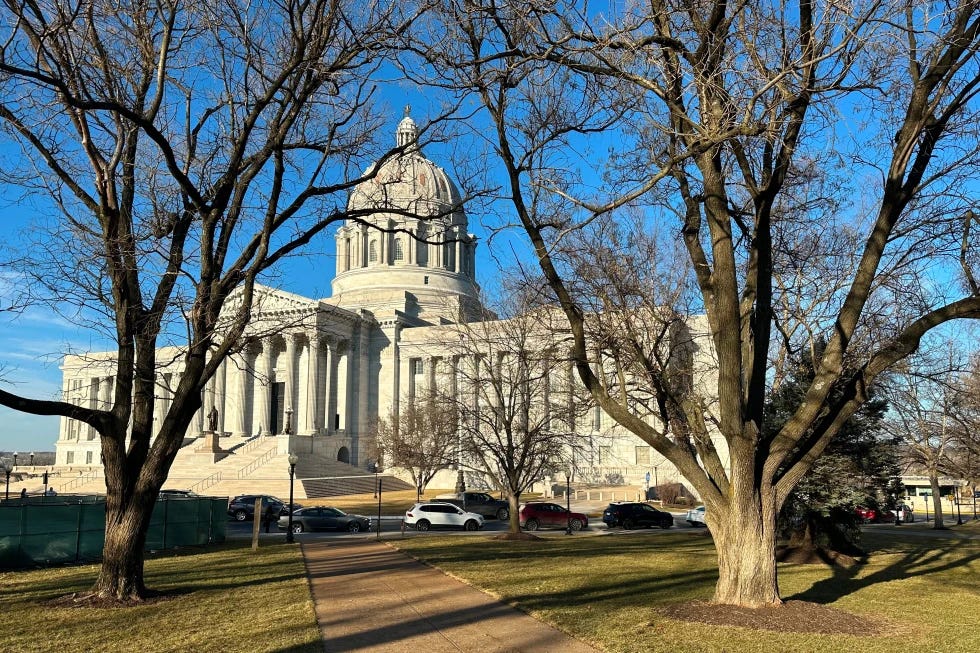
🚨 Missouri candidate accused of plot to plant cocaine on rival. Missouri House candidate Thomas Ross has appeared in federal court on a drug charge accusing him of trying to frame his Republican primary opponent. Ross, 37, is charged with conspiracy to distribute a controlled substance. Prosecutors say he asked a campaign manager to plant cocaine and an Adderall pill on rival Louise Secker. The alleged plan called for placing the drugs in Secker’s purse or vehicle while Ross was out of state. A former campaign manager told investigators that Ross supplied the substances inside a black nylon glove. Law-enforcement testing later identified the powder as cocaine and the capsule as Adderall. Federal investigators say Ross sent multiple text messages discussing the plan. One message allegedly expressed hope that it could happen before Secker attended a Republican women’s meeting in June. Ross defeated Secker in the August 4th primary by only a few dozen votes. He has not publicly said how he intends to plead. His federal public defender also has not publicly addressed a plea. Missouri Republican Party Chairman Peter Kinder has called on Ross to withdraw from the race. Federal prosecutor R. Matthew Price said voters are entitled to confidence in election integrity. The case now places the result of a razor-thin state legislative primary under an extraordinary federal criminal cloud.
🗂️ MISC
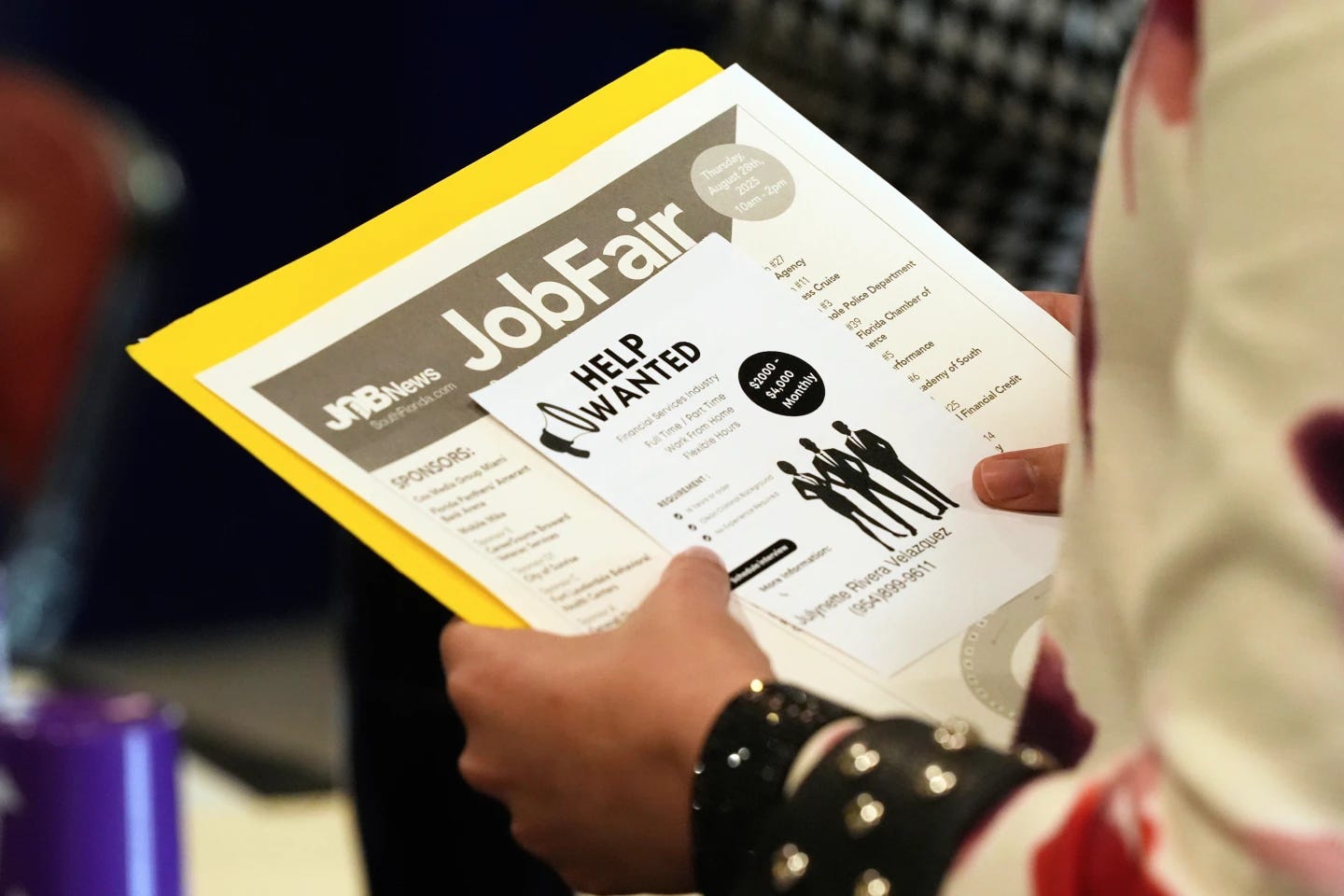
💼 American employers add 162K jobs as unemployment holds at 4.1%. The labor market rebounded sharply in August, with employers adding 162K jobs and unemployment remaining at 4.1%. Economists surveyed by FactSet had expected only about 65K new positions. Revised figures added another 55K jobs to the June and July totals. July payrolls are now estimated to have grown by 21K instead of shrinking by 23K. Restaurants and bars added 59K positions. Construction companies added 22K, while manufacturers added 16K. The labor force grew by 683K after contracting in June and July. Wage growth was less emphatic. Average hourly pay increased 3.1% from a year earlier, the weakest annual gain since May 2021. The report suggests employers remain reluctant to shed workers despite higher costs. It also shifts attention back toward inflation. The Federal Reserve’s preferred inflation measure is running at 3.7%, well above its 2% goal. Fed officials meet September 15th and 16th. Strong hiring could give policymakers more room to raise interest rates if next week’s inflation report remains hot. August therefore delivered a healthier jobs picture while making the next monetary-policy decision more complicated.
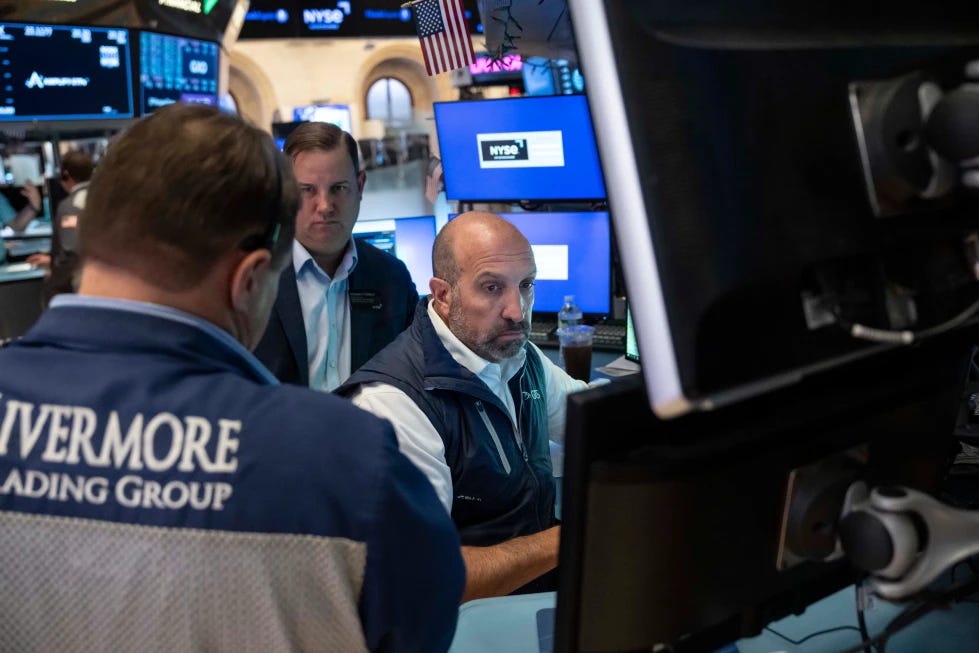
📉 Stocks wobble as strong jobs revive rate-hike risk. American stocks opened mixed after the stronger-than-expected August jobs report raised the prospect of another interest-rate increase. The Standard & Poor’s 500 (S&P 500) slipped 0.1% in early trading. The Dow Jones Industrial Average fell 71 points, also about 0.1%. The Nasdaq composite edged 0.1% higher. Employers added 162K jobs, far above the 65K economists expected. That strength could give the Federal Reserve (Fed) more room to raise its benchmark rate to fight inflation. Oil prices eased but remained elevated after a volatile week. American crude fell 0.9% to $90.49 per barrel. Brent crude declined 0.7% to $94.84, with both benchmarks still up roughly 8% to 9% for the week. Lululemon Athletica ($LULU) plunged more than 20% after cutting its full-year outlook again. A key Lululemon sales measure fell 9% in the second quarter. Fed Governor Christopher Waller has said he favors holding rates steady if next week’s inflation data cools. He would consider a hike if inflation comes in hotter. Markets are therefore treating a strong labor report as both evidence of economic durability and a reason borrowing costs may stay higher.
👀 ICMYI
1. Young Orthodox Christians join a candlelit procession in Bucharest.
2. Wendell Berry is remembered as a spiritual pilgrim and contrarian.
3. German far right targets Bauhaus before a landmark state election.
4. Former prisoners face steep hurdles finding work after release.
5. Flock cameras become a midterm issue over privacy and surveillance.
6. South African groups seek a data-center pause over water and power.
7. White House launches retro games promoting presidential agenda.
8. Judge orders Google ad changes but stops short of a breakup.
9. Farmers test perennial grains against extreme weather.
10. India wastes some solar power as electricity demand surges.
🗣️ SHARE PM DAILY
Please share PM Daily with a friend!
✍️ FEEDBACK
Feel free to reply with your candid feedback.
PM reads and responds to every single email.
That’s all for today! Hope you liked this issue.
Much obliged and many thanks for reading.
See you tomorrow, same newsletter. Onward!
