Greetings! Happy National Online Learning Day to those celebrating.
Let’s get into today’s top stories.
Forwarded this email? Subscribe to PM Daily below:
SPONSORED SECTION
Sponsor PM Daily! Unlike other free daily newsletters, PM’s ad model works differently: 1. one single sponsor slot per issue; 2. 100% share of voice (SOV) guaranteed; 3. higher return on ad spend (ROAS) from your first placement.
No-brainer, little risk, high upside. Q3 slots are filling up quickly! Reach our rapidly scaling, high-intent, vetted premium audience by replying to this email right now.
🌎 GLOBAL NEWS
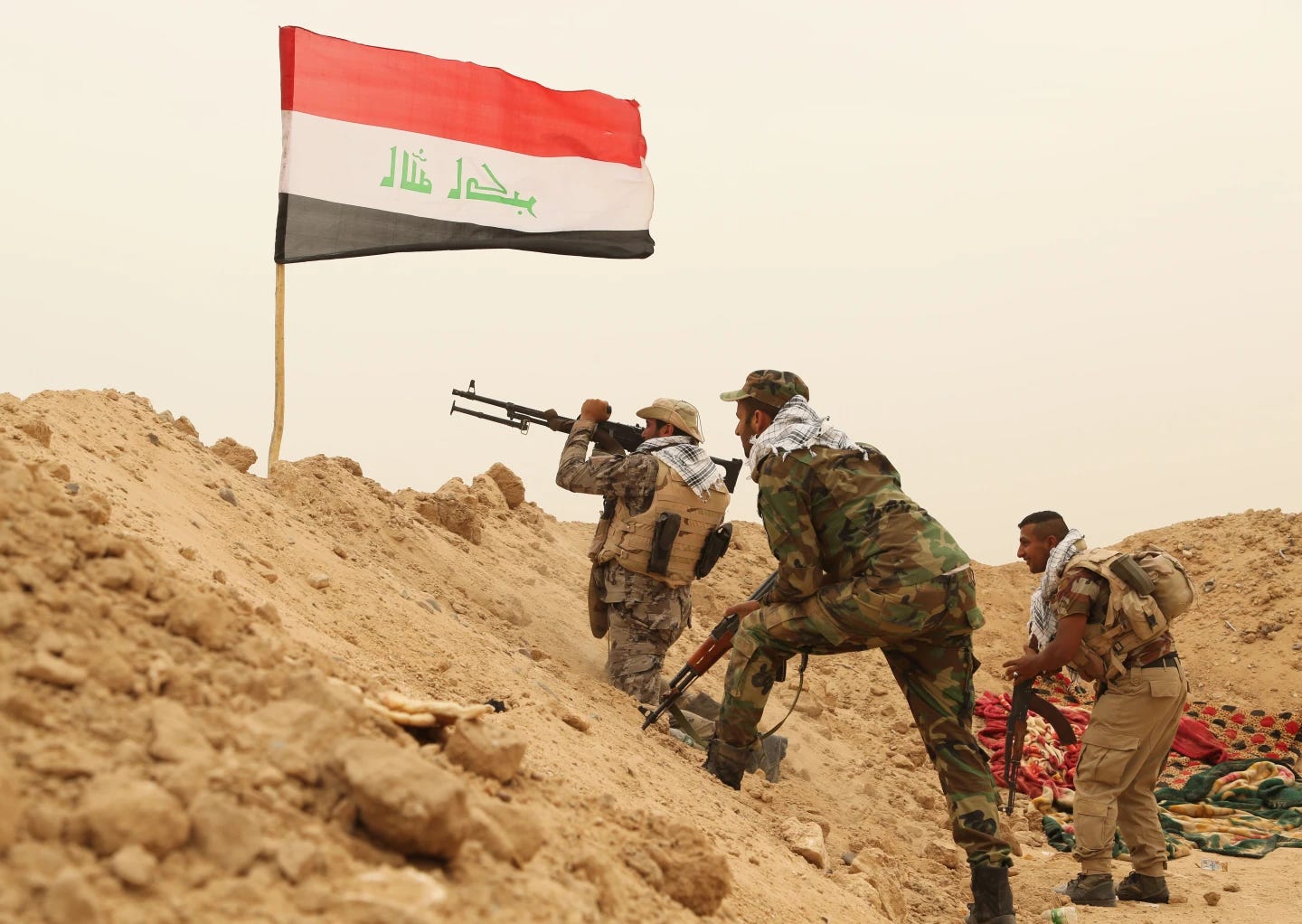
🇮🇶 Iraq’s final American troop withdrawal meets militia defiance. Hundreds of American troops remaining in northern Iraq are expected to leave by September 30th, closing a military presence that began with the 2003 invasion. Most will redeploy to Jordan and other regional bases rather than return home. American air-defense systems and other equipment are also being removed. Washington and Baghdad agreed in 2024 to wind down the coalition mission after the Islamic State group was reduced largely to sleeper cells. Iraq has tied that departure to a parallel demand that non-state armed groups regulate or surrender their weapons. The most powerful Iran-backed factions say they will not comply on that timetable. Kataib Hezbollah, Harakat al-Nujaba and Kataib Sayyid al-Shuhada have rejected disarmament or attached conditions the government is unlikely to meet soon. Some smaller militias have agreed to turn over weapons. Others say future talks should concern regulating arms rather than surrendering them. Many factions already sit inside the Popular Mobilization Forces, formally part of Iraq’s security apparatus even as individual groups sometimes act independently. Iran-backed militias have attacked American-linked targets since America and Israel began fighting Iran on February 28th. Some have also coordinated with Yemen’s Houthis against Saudi Arabia. American officials say withdrawal will reduce risks to troops inside Iraq. They remain concerned armed factions could continue striking Saudi Arabia, Jordan, Israel and other regional targets. Iraq reaches September 30th with one foreign military deadline nearing completion and a domestic weapons deadline far less settled.
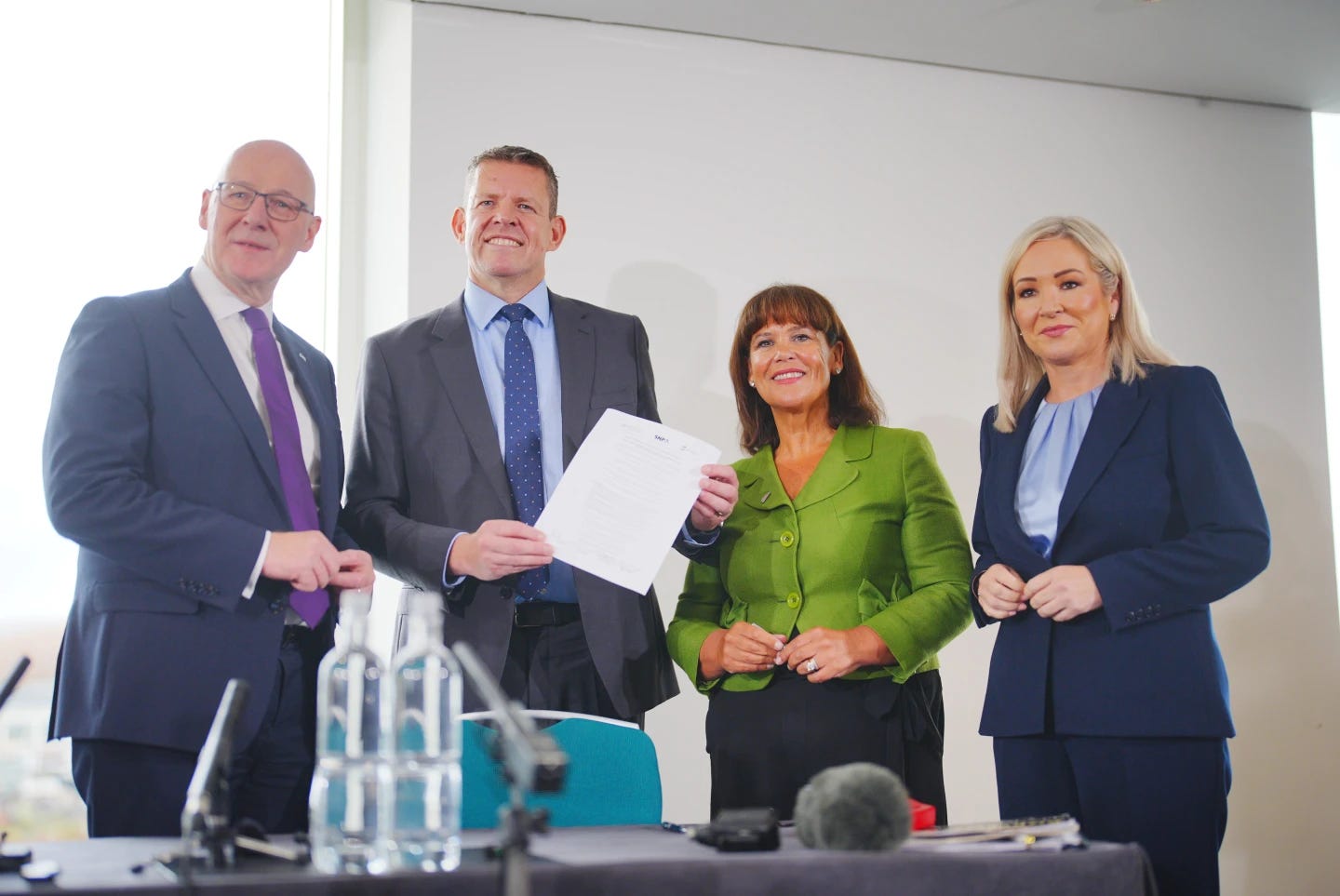
🇬🇧 Regional leaders sign pact challenging United Kingdom’s future. Wales, Scotland and Northern Ireland signed a memorandum asserting a right to leave the United Kingdom and urging London to prepare for change. Scotland’s First Minister John Swinney, Wales’ First Minister Rhun ap Iorwerth and Northern Ireland’s First Minister Michelle O’Neill backed the agreement in Cardiff. Their statement said the three regions’ future lies with the European Union. It is the first time all three have been led by parties favoring independence or, in Northern Ireland’s case, Irish reunification. Prime Minister Andy Burnham’s government brushed aside the threat and defended the union. Public-policy scholar Nicola McEwen said the pact has no legal significance by itself. The agreement gathers separate independence movements under one banner. Scotland voted 55% to 45% against independence in 2014. Swinney argues support has risen since Brexit and wants another referendum. O’Neill has called for a vote on Irish reunification, while ap Iorwerth has not set a timetable for Welsh independence. Northern Ireland’s power-sharing structure makes O’Neill’s participation especially contentious. Deputy First Minister Emma Little-Pengelly of the Democratic Unionist Party accused her of using the first-minister role for partisan aims. O’Neill said historic change is already occurring across the islands. The pact follows President Trump’s statement welcoming a reunified Ireland. London retains authority over whether Scotland can hold another legally recognized referendum. The agreement cannot dissolve the United Kingdom by itself, but it gives the three regional leaders an unusually coordinated challenge to Westminster.
🇺🇸 LOCAL NEWS
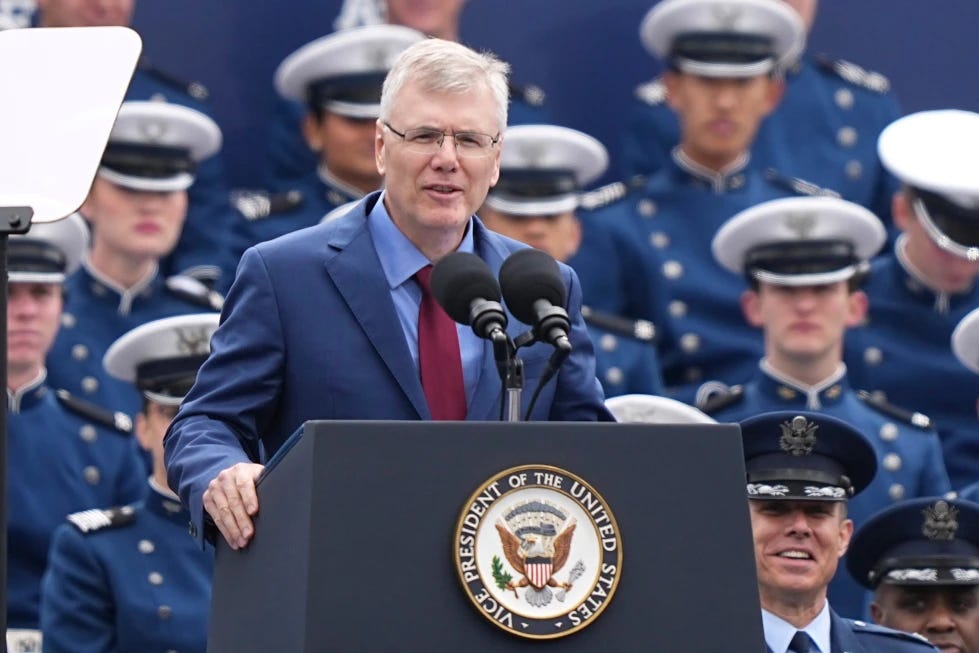
🛰️ America acknowledges deploying weapons in space for first time. Air Force Secretary Troy Meink confirmed that America has fielded weapons in orbit, the government’s first acknowledgment of operational American weapons in space. Speaking at the Air and Space Cyber Conference in Maryland, Meink described them as “on-orbit space control weapons” designed to defend American forces from hostile action. He did not identify the systems, explain how they work or say how many are deployed. The disclosure turns a long-discussed possibility into an acknowledged military capability. American communications, navigation, intelligence and missile-warning systems depend heavily on satellites, making space infrastructure a defense concern. Russia and China have developed ways to disrupt or destroy satellites. In 2024, American officials said Russia was developing a new anti-satellite weapon that could be launched from space. The White House said then that the threat was not imminent. Meink did not connect the newly acknowledged American systems to any specific Russian or Chinese program. He also said the Air Force is adding more autonomous systems. Meink predicted the service will look “radically different” by 2032. He suggested one-way attack drones could eventually replace artillery as a primary battlefield weapon. President Trump created the Space Force in 2019 as a separate military branch focused on space operations. Meink said the Air Force is increasing readiness against existing threats as military competition in orbit intensifies. The acknowledgment leaves the technology undisclosed while confirming that space conflict planning now includes deployed American weapons.
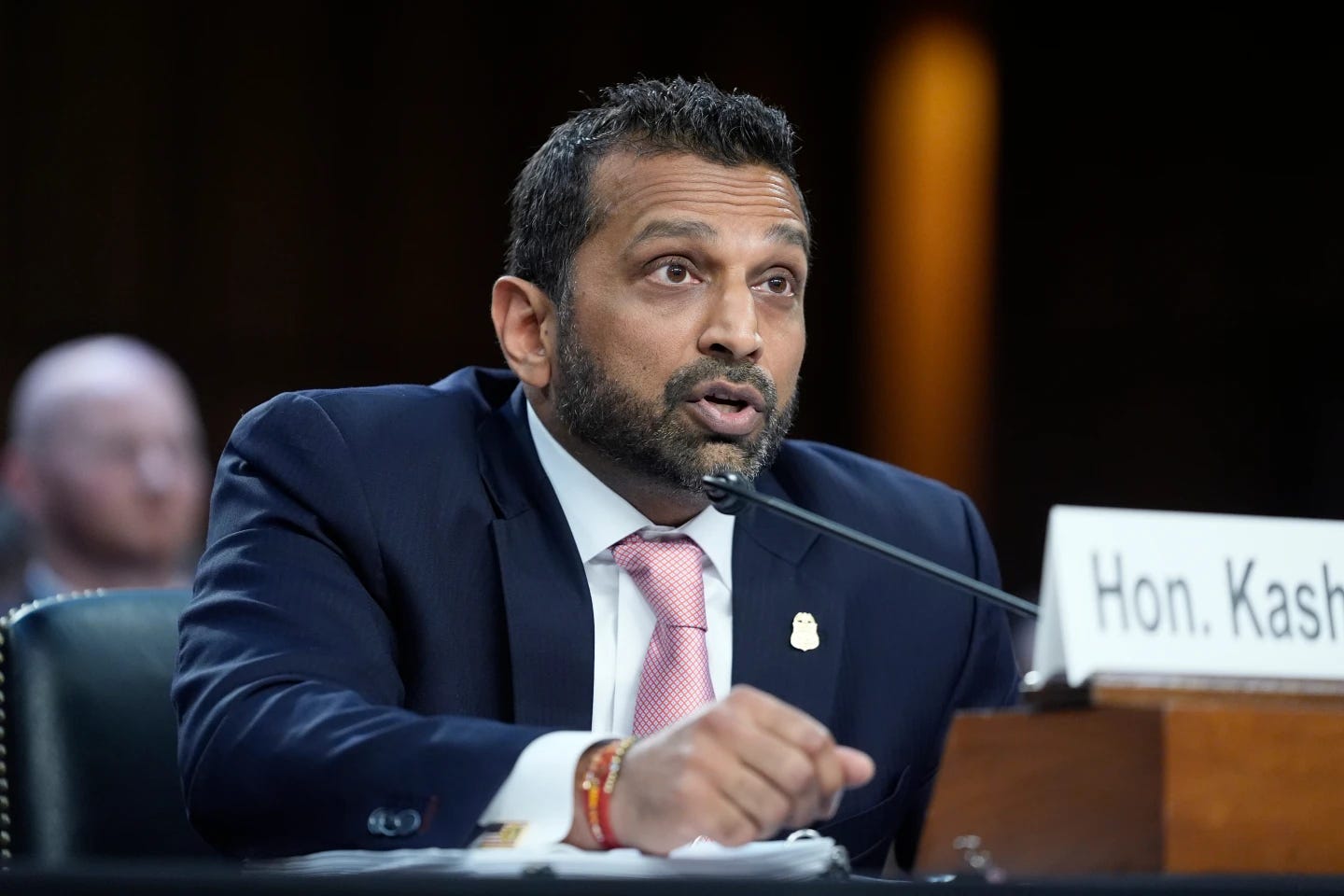
🕵️ FBI chief defends revised hiring rules on prostitution and bestiality. Federal Bureau of Investigation (FBI) Director Kash Patel defended new guidance removing automatic employment disqualification for some applicants with histories involving prostitution or bestiality. The FBI issued the changes quietly this spring. Previous policy categorically barred applicants who had engaged in the conduct. The revised approach lets the bureau consider context in some cases. Patel told the Senate Judiciary Committee that the purpose was to avoid excluding people who were victims of trafficking or coercion. He rejected the characterization that the FBI had simply lowered its hiring standards. Republican Senator John Kennedy of Louisiana questioned why bestiality was included in the revised guidance. Patel said he initially had the same reaction before being persuaded that victim circumstances required case-by-case review. The hearing expanded beyond hiring policy. Republican senators emphasized violent crime, drug trafficking and the bureau’s work carrying out administration priorities. Democratic senators focused on turmoil inside the agency during Patel’s tenure. They cited firings of agents involved in investigations of President Trump and inquiries involving people Trump has publicly criticized. Illinois Senator Dick Durbin, the committee’s ranking Democrat, accused Patel of politicizing the bureau, an allegation Patel disputes. California Senator Adam Schiff and Patel also renewed combative exchanges seen in earlier oversight hearings. Patel has separately filed a $250M defamation lawsuit over reporting about his conduct, which he says is false. The hiring revision now sits inside a broader congressional dispute over the bureau’s standards, independence and culture.
🗂️ MISC
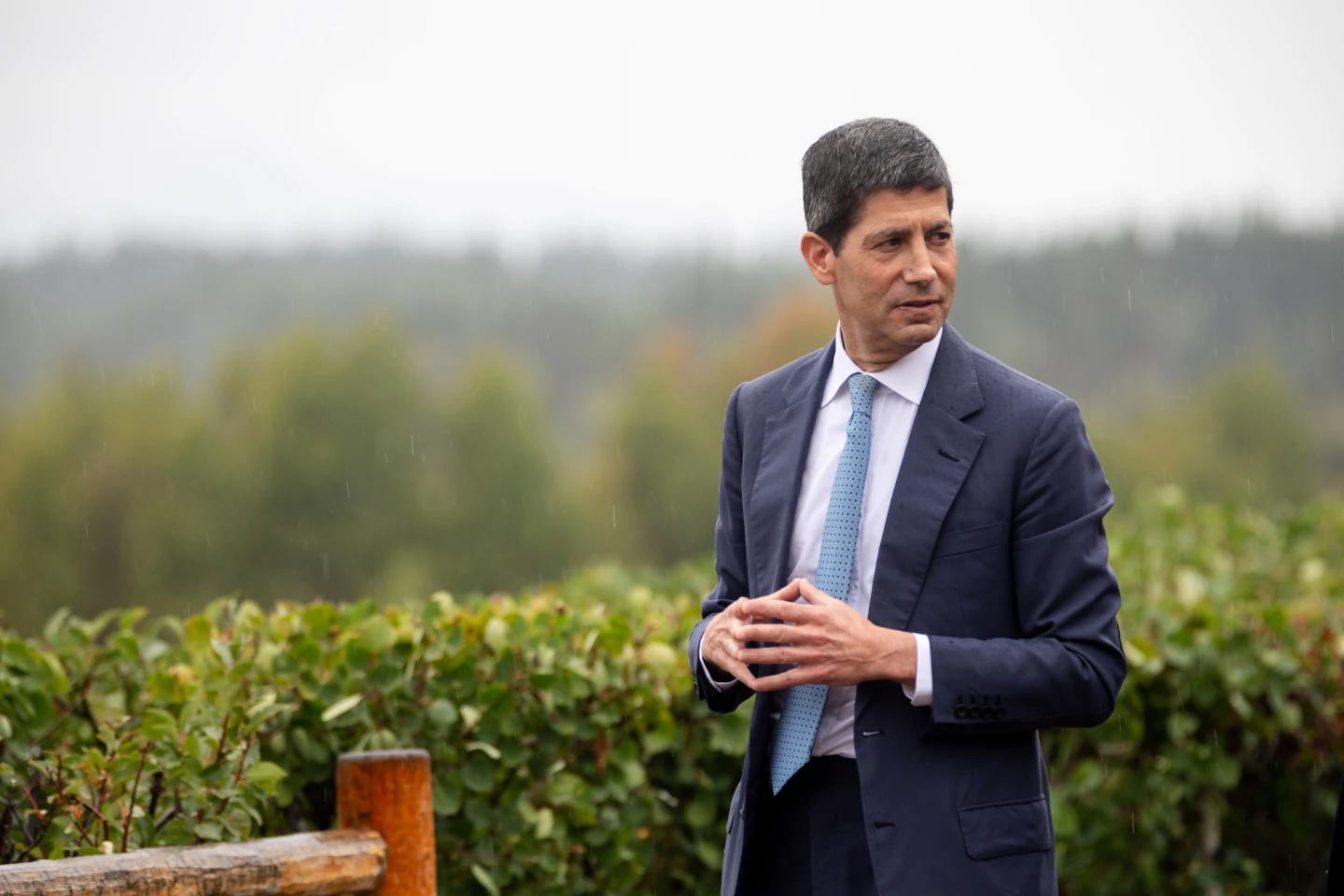
🏦 Federal Reserve heads toward first rate increase in three years. The Federal Reserve is widely expected to raise its benchmark rate for the first time in three years as persistent inflation outweighs calls for cheaper borrowing. Most economists expect a quarter-point increase from the current rate of roughly 3.6%. Federal Reserve Chair Kevin Warsh has not precommitted to the move. Markets nevertheless assign about a 90% probability to an increase. August inflation data strengthened that expectation after core prices accelerated. Warsh has said recent reports do not show sufficient improvement in underlying price pressures. The Iran war has complicated the outlook by pushing fuel prices sharply higher. AI data-center construction is also adding demand for capital and electricity while contributing to higher long-term rates. As recently as March, Federal Reserve officials had projected at least one rate cut this year. That direction has reversed as inflation remains above the central bank’s 2% target. President Trump has repeatedly called for lower rates and says America should have the world’s lowest borrowing costs. Economic adviser Kevin Hassett has also questioned raising rates so close to the midterm elections. The meeting comes seven weeks before elections where affordability is a major issue. Warsh has continued emphasizing inflation rather than signaling a politically timed decision. A rate increase would make many forms of borrowing more expensive. It could also strengthen the central bank’s inflation-fighting credibility and restrain longer-term bond yields. Officials now weigh tighter credit against the risk of harder-to-dislodge inflation.
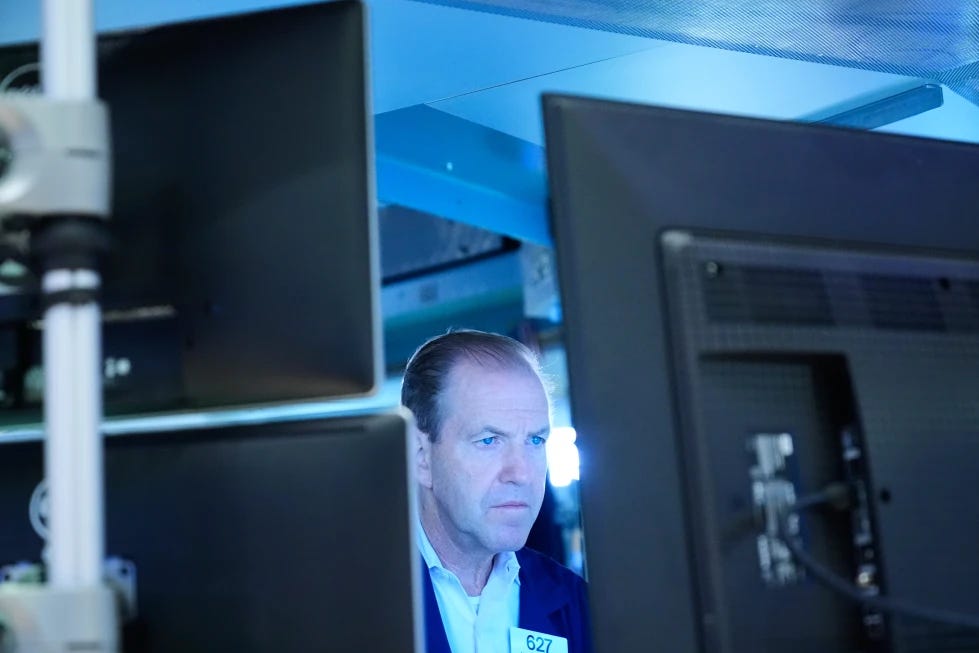
📉 Oil and bond yields push American stocks lower. Wall Street fell as rising crude prices and Treasury yields increased pressure on equities ahead of the Federal Reserve’s rate decision. The Standard & Poor’s 500 (S&P 500) dropped 0.4% in late-morning trading. The Dow Jones Industrial Average fell 440 points, or 0.8%, while the Nasdaq composite lost 0.7%. The 10-year Treasury yield climbed to 4.99% from 4.97% and briefly reached 5.04% overnight. It had already crossed 5% for the first time since 2023. Higher yields increase borrowing costs for households, businesses and the federal government while making bonds more competitive with stocks. Oil supplied a second source of pressure. Brent crude climbed 2.3% to $108.12 per barrel after swinging between $105.10 and $108.76. That remains far above the roughly $72 level seen in early July. The Iran war and uncertainty around the Strait of Hormuz continue constraining expectations for global oil flows. Markets also expect the Federal Reserve to raise rates for the first time in three years because inflation remains elevated. Consumer-sensitive shares were among the weakest performers. Chipotle Mexican Grill ($CMG) fell 5.5%, United Airlines Holdings ($UAL) lost 3.5% and Dollar Tree ($DLTR) dropped 4.2%. Dave & Buster’s Entertainment ($PLAY) sank 17.2% after weaker-than-expected quarterly results. AI shares stabilized somewhat after the previous session’s global selloff, with Nvidia ($NVDA) gaining 0.6% and Advanced Micro Devices ($AMD) rising 2%. The session left investors confronting an unusually expensive combination of oil, money and borrowing at the same time.
👀 ICMYI
1. Fighter jets down a drone over Lithuania as a Russian ship fires flares.
2. America redirects military aid from Europe and Mideast to Americas.
3. Prosecutors spare Nick Reiner the death penalty in parents’ killings.
4. Senate votes on crypto rules as Trump investments draw scrutiny.
5. Melania Trump visits North Carolina school amid national AI debate.
6. Black Caucus launches campaign to increase midterm voter turnout.
7. AI regulation draws new allies while Washington resists major action.
8. Supreme Court lets mail ballots continue normally for the midterms.
9. Whistleblower says Homeland Security voter probe may violate laws.
10. Mitch McConnell returns to Senate after his June hospitalization.
🗣️ SHARE PM DAILY
Please share PM Daily with a friend!
✍️ FEEDBACK
Feel free to reply with your candid feedback.
PM reads and responds to every single email.
That’s all for today! Hope you liked this issue.
Much obliged and many thanks for reading.
See you tomorrow, same newsletter. Onward!