

Greetings! Happy National Thoughtful Day to those celebrating.
Let’s get into today’s top stories.
Forwarded this email? Subscribe to PM Daily below:
SPONSORED SECTION
Sponsor PM Daily! Unlike other free daily newsletters, PM’s ad model works differently: 1. one single sponsor slot per issue; 2. 100% share of voice (SOV) guaranteed; 3. higher return on ad spend (ROAS) from your first placement.
No-brainer, little risk, high upside. Q3 slots are filling up quickly! Reach our rapidly scaling, high-intent, vetted premium audience by replying to this email right now.
🌎 GLOBAL NEWS

🇳🇴 King Harald dies at 89 as Haakon VIII takes throne. King Harald V of Norway has died at 89, ending a 35-year reign that tracked Norway’s prosperity and social change. The royal palace said Harald died at Oslo’s National Hospital at 6:35 a.m. His son immediately succeeded him as King Haakon VIII. Harald had been Europe’s oldest reigning monarch. Norway’s sovereign is largely ceremonial, while political power rests with parliament in a democracy of about 5.5M people. Harald took the throne in January 1991 after the death of his father, King Olav V. His reign coincided with an oil-and-gas boom that made Norway one of Europe’s wealthiest nations. Born near Oslo in 1937, Harald was 3 when Nazi Germany occupied Norway. His mother fled with Harald and his sisters to Sweden and later the United States. The family returned to Norway in June 1945. Harald later attended Norway’s military college and Oxford University. An accomplished sailor, he represented Norway at multiple Olympics and won a world championship in 1987. He married longtime sweetheart Sonja Haraldsen in 1968 after resisting pressure to choose a noble bride. Their children are Haakon and Princess Märtha Louise. Prime Minister Jonas Gahr Støre said the country was mourning a monarch who served Norway for more than three decades. Funeral arrangements have not yet been announced.
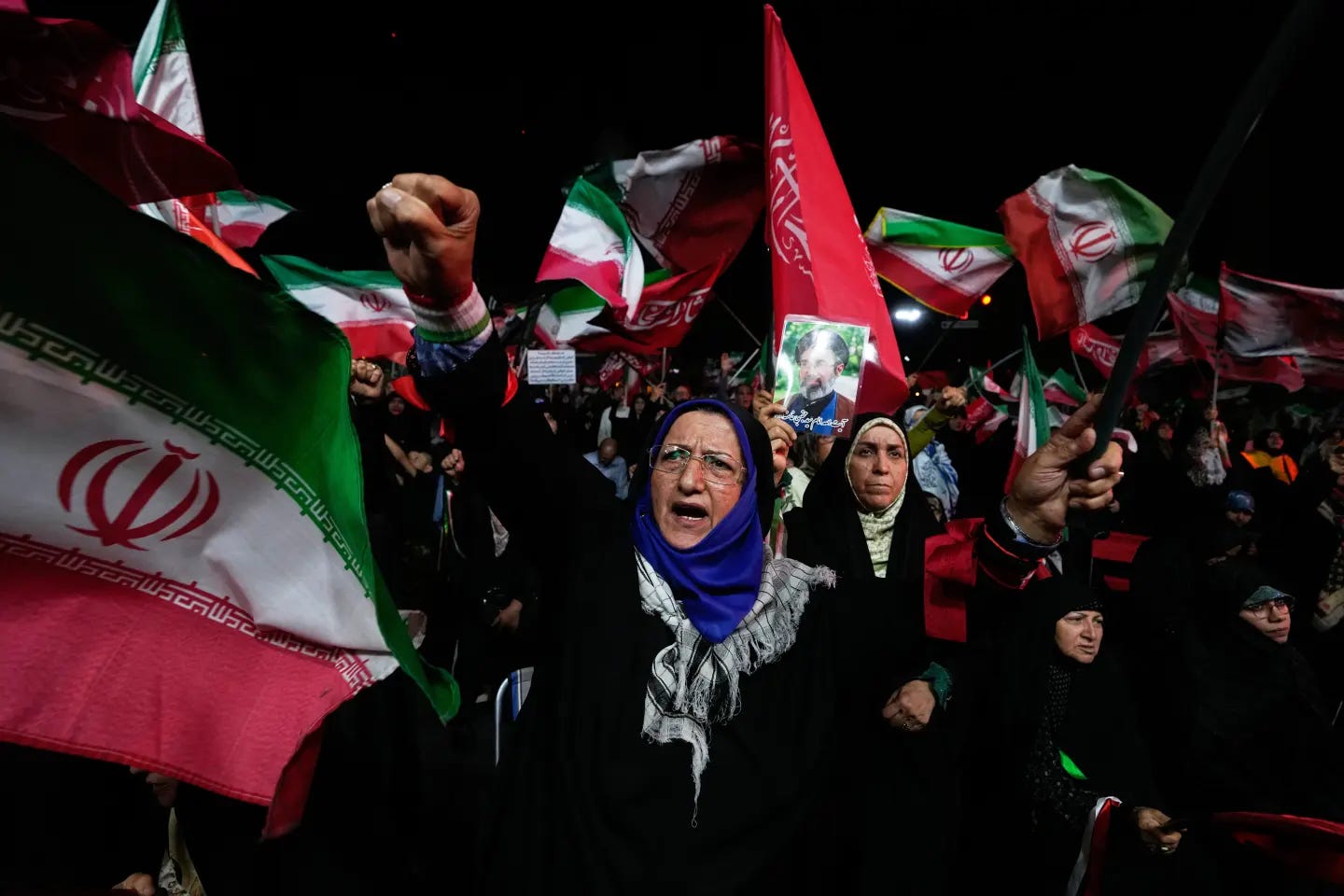
🇮🇷 Iran war reaches six months with its core goals unmet. The Iran war has reached six months with the region altered while several goals pursued by Washington and Israel remain unrealized. American and Israeli forces began the February 28th attack amid hopes Iran’s clerical government could be toppled. President Trump and Israeli Prime Minister Benjamin Netanyahu presided over a campaign that killed senior Iranian leaders and heavily bombed military and nuclear infrastructure. The Islamic Republic nevertheless survived and rapidly replaced killed officials. Tehran then turned the Strait of Hormuz into its strongest source of pressure. Iran effectively closed the critical oil-and-gas route and attacked Gulf states hosting American forces. Those strikes exposed weaknesses in air defenses central to longstanding American security guarantees. Iranian attacks also reached energy infrastructure and desalination facilities. President Trump agreed to a ceasefire in April and signed another deal with Iran in June. That agreement collapsed within weeks. Tehran now seeks lasting influence over Hormuz while refusing concessions on its disputed nuclear program. Washington has answered with additional sanctions and economic pressure. Gulf governments are examining other security arrangements, including Saudi Arabia’s new defense pact with Pakistan and Turkey. Israeli forces have inflicted extensive damage on regional adversaries without eliminating them. Prospects for Israeli-Saudi normalization have also receded. The result is a more militarized region where alliances are strained and Iran remains firmly in power.
🇺🇸 LOCAL NEWS
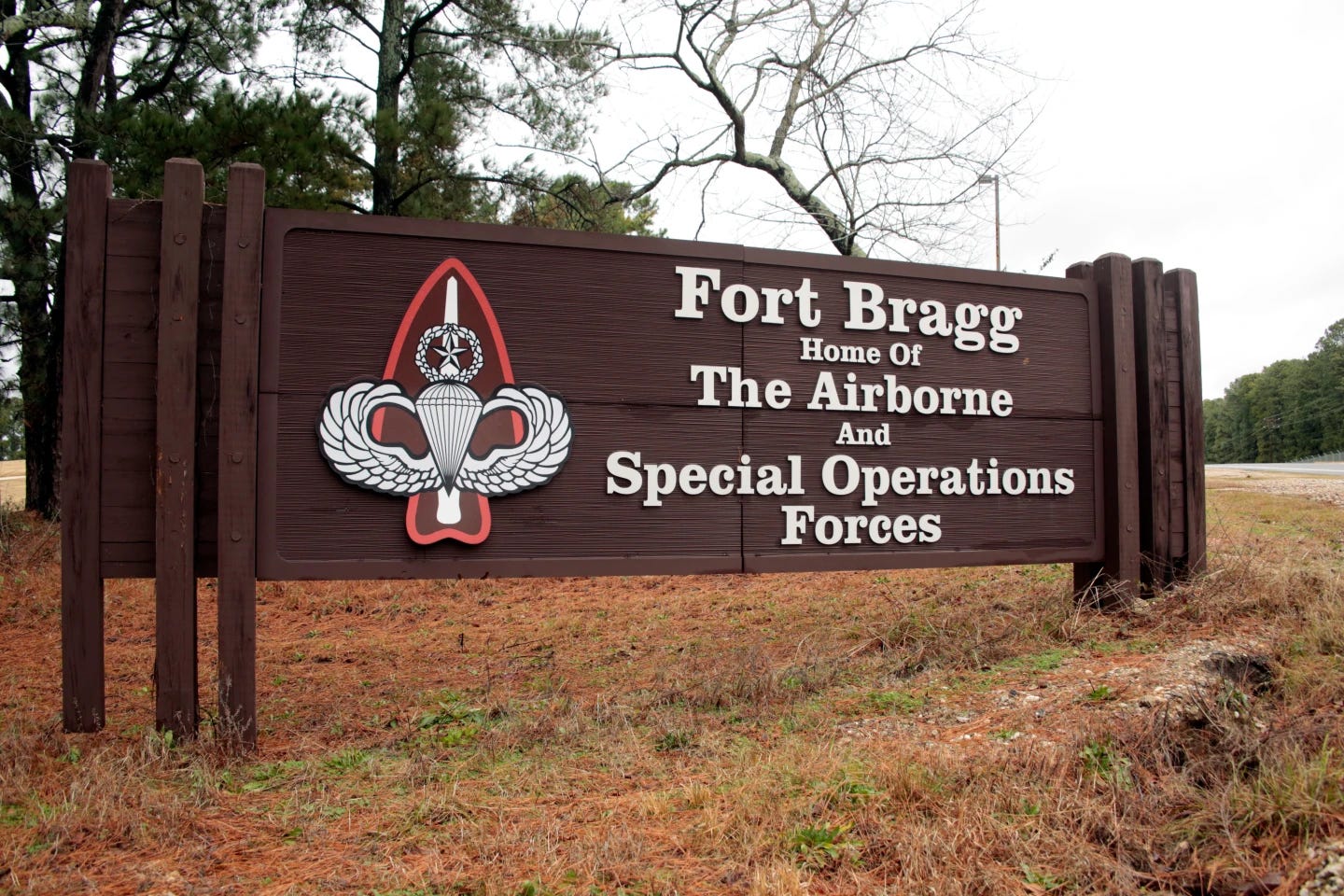
🎖️ Army commits up to $2.2B to nuclear microreactors. The Army plans to spend up to $2.2B over five years to deploy nuclear microreactors at five American military bases. The project is designed to keep critical installations powered independently of the commercial grid during outages or attacks. No nuclear microreactor currently supplies an American commercial power grid. Five companies will receive milestone-based awards to build and operate the reactors while retaining ownership. The Army expects more than 20 units could ultimately enter service. Each design would generate roughly 1 to 20 megawatts. Initial sites are Fort Bragg, Fort Campbell, Fort Hood, Fort Benning and Fort Drum. Developers include Antares Nuclear, BWX Technologies ($BWXT), General Atomics Electromagnetic Systems, Radiant Industries and Westinghouse Government Services. The work falls under the Army’s Janus Program for next-generation nuclear power. President Trump ordered the military in May 2025 to have an advanced reactor operating domestically by September 30th, 2028. Army Secretary Dan Driscoll says microreactors could protect baseload power from vulnerable external grids. The reactors are designed to operate for years without refueling. Bases would remain grid-connected because the reactors would supply only part of installation demand. The Army, rather than the Nuclear Regulatory Commission (NRC), will initially license them. Critics question the reactors’ economics and the military’s regulatory role. Army energy official Jeff Waksman says the systems would shut down safely and radioactive waste would not remain permanently at the bases. The program also seeks designs capable of later pursuing NRC approval for civilian deployment.
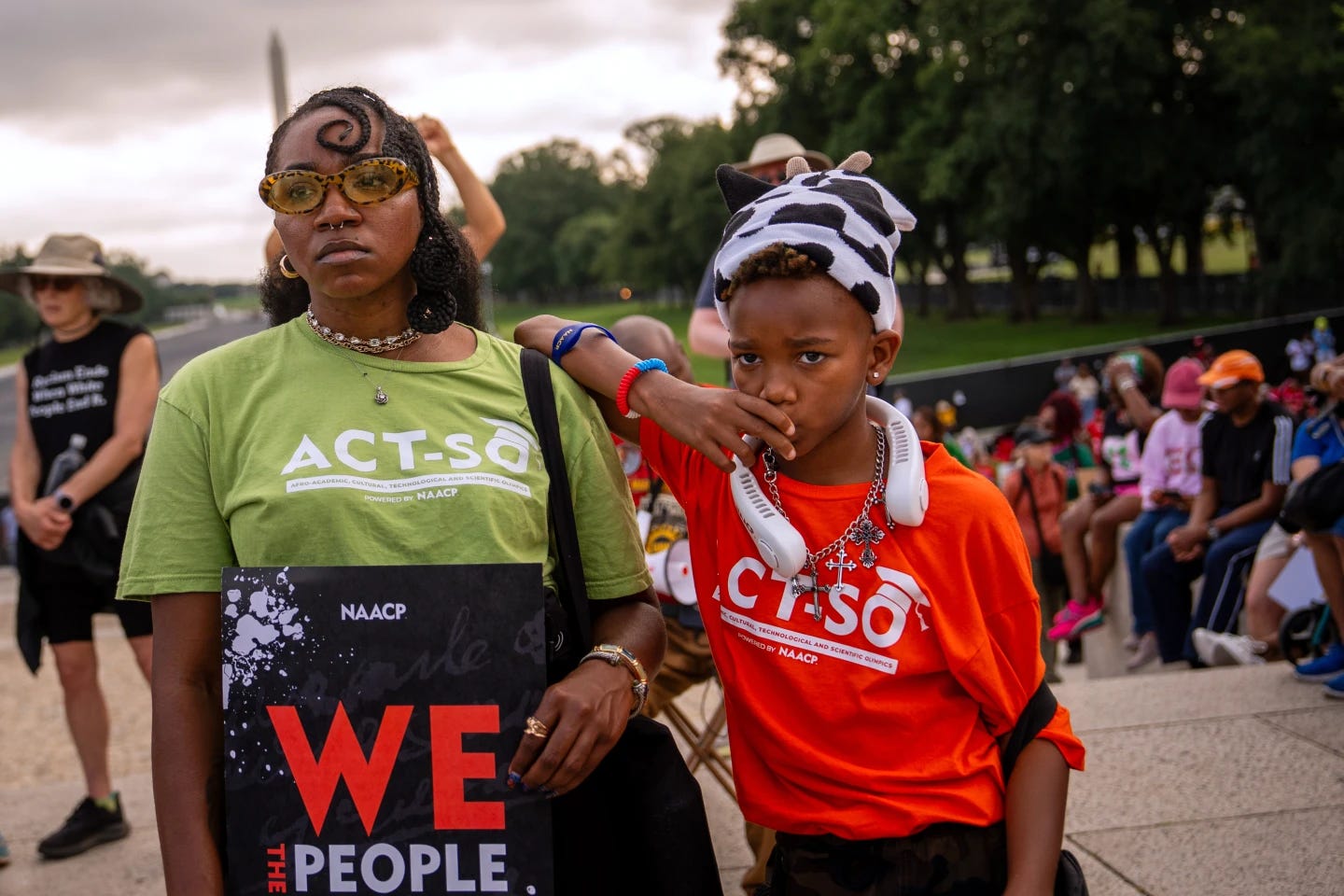
🗳️ Thousands rally in Washington for voting rights. Thousands of demonstrators have gathered on the National Mall to press for voting rights and racial justice before the midterm elections. The 2026 Defend the Vote March on Washington is organized by civil rights leader Al Sharpton and Martin Luther King III. Its location and purpose echo the 1963 March on Washington led by Martin Luther King Jr. More than 200K people attended that historic gathering. This year’s march follows the Supreme Court’s April ruling in Louisiana v. Callais. The decision reinterpreted major provisions of the Voting Rights Act of 1965 and permitted new congressional maps in Southern states. Civil rights organizations argue the resulting redistricting weakens Black political representation. Louisiana redrew Representative Cleo Fields’ district after the ruling. Fields has since chosen to seek a state Senate seat rather than reelection to Congress. Sharpton’s National Action Network is co-hosting the demonstration with King’s Drum Major Institute. Speakers include Senator Bernie Sanders, Virginia Governor Abigail Spanberger and Representative Alexandria Ocasio-Cortez. Sharpton said thousands of activists traveled from the Southeast by bus. Participating organizations include the National Association for the Advancement of Colored People (NAACP) and Black Voters Matter, alongside civil-rights lawyers. Those groups also filed new claims challenging President Trump’s restrictions on mail voting. The Supreme Court recently cleared a procedural path for parts of that order, while implementation remains contested. The march puts voting access and congressional representation squarely into the midterm campaign.
🗂️ MISC
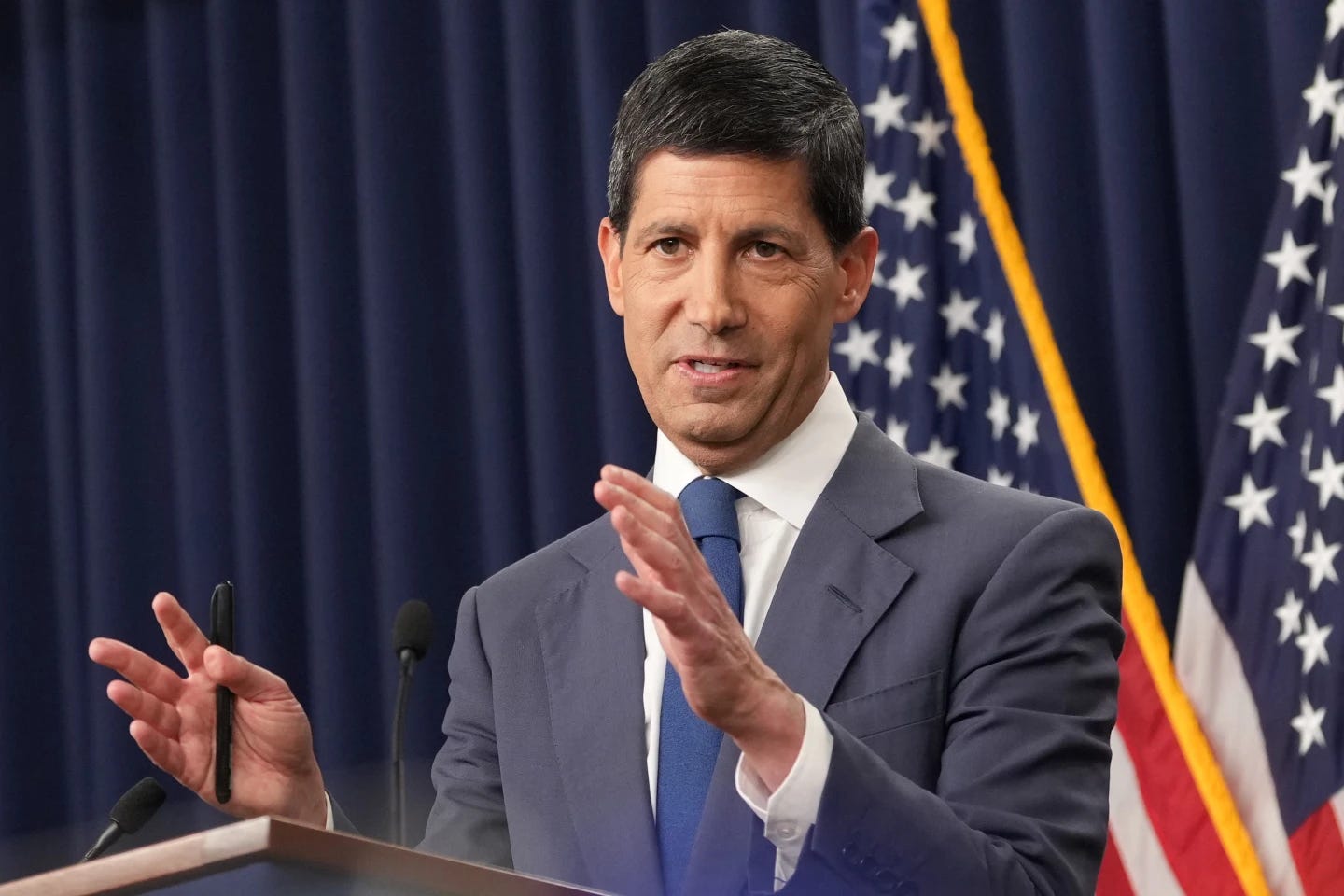
🏦 Warsh signals rate hikes remain on the table. Federal Reserve Chair Kevin Warsh says inflation remains too high and interest-rate increases may be necessary in the coming months. His first major speech at the central bank’s Jackson Hole conference offered his clearest signal yet on monetary policy. Warsh acknowledged that recent inflation data have cooled somewhat. He said the underlying trend has not improved enough to assure a return to the Federal Reserve’s 2% target. The Fed’s preferred inflation measure stood at 3.7% in July. Warsh also argued that current financial conditions are not meaningfully restricting economic activity. He pointed to strong consumer spending and heavy business investment in AI equipment and infrastructure. Over the past year, 54% of tracked goods and services rose at annual rates of at least 3%. Before the pandemic, that share averaged 32% across two decades. Warsh described inflation as a greater concern than the labor market, where unemployment remains low. He also said short-term interest rates remain the Fed’s primary inflation-fighting instrument. The central bank next meets September 15th and 16th. Most analysts still expect officials to leave rates unchanged at that meeting. Futures markets nevertheless show investors assigning meaningful odds to higher rates before year-end. President Trump has argued for lower borrowing costs. Warsh’s remarks indicate persistent inflation could force the Fed toward tighter policy.

📉 Stocks hold steady as rate-hike odds climb. American stocks hovered near record levels as investors absorbed Federal Reserve Chair Kevin Warsh’s warning that interest rates may need to rise. The Standard & Poor’s 500 (S&P 500) gained 0.3% in morning trading. The Dow Jones Industrial Average added 89 points, or 0.2%. The Nasdaq composite also rose 0.3%. Bond markets reacted more sharply than stocks. The two-year Treasury yield jumped to 4.30% from 4.22% before Warsh spoke. Traders priced a nearly 46% chance of a Federal Reserve rate hike next month. That probability had stood near 35% a day earlier. The 10-year Treasury yield held at 4.67%. The 30-year yield eased to 5.16% from 5.19%. Gap ($GAP) jumped after reporting stronger quarterly profit and raising its annual outlook. Marvell Technology ($MRVL) fell more than 7% as investors questioned when its new AI chip business would materially boost revenue. The chipmaker nevertheless expects roughly 45% revenue growth in fiscal 2027. Marvell projects about $18B in revenue for fiscal 2028. Overseas markets were mixed, with South Korea’s Kospi falling while major European indexes advanced. Equities remained comparatively calm while bonds repriced the possibility that inflation may force another round of monetary tightening.
👀 ICMYI
1. Spiritual gurus launch AI chatbots as seekers turn to digital guidance.
2. Hindutva ethnofascist leader Bhagwat draws protests in New York.
3. Sokoto nightlife persists amid insecurity and Nigeria’s morality police.
4. Two wildfires force evacuations along California’s Big Sur coast.
5. South Korea, Japan and America plan a new trilateral military drill.
6. Judge rules illegal Pentagon measures against Anthropic baseless.
7. Partial lunar eclipse crosses skies over the Americas and Europe.
8. Pennsylvania reports America’s first two measles deaths this year.
9. Cyclospora outbreak tied to iceberg lettuce expands to 20 states.
10. Study finds climate change is strengthening El Niños worldwide.
🗣️ SHARE PM DAILY
Please share PM Daily with a friend!
✍️ FEEDBACK
Feel free to reply with your candid feedback.
PM reads and responds to every single email.
That’s all for today! Hope you liked this issue.
Much obliged and many thanks for reading.
See you tomorrow, same newsletter. Onward!
