Greetings! Happy National Cheeseburger Day to those celebrating.
Let’s get into today’s top stories.
Forwarded this email? Subscribe to PM Daily below:
SPONSORED SECTION
Sponsor PM Daily! Unlike other free daily newsletters, PM’s ad model works differently: 1. one single sponsor slot per issue; 2. 100% share of voice (SOV) guaranteed; 3. higher return on ad spend (ROAS) from your first placement.
No-brainer, little risk, high upside. Q3 slots are filling up quickly! Reach our rapidly scaling, high-intent, vetted premium audience by replying to this email right now.
🌎 GLOBAL NEWS
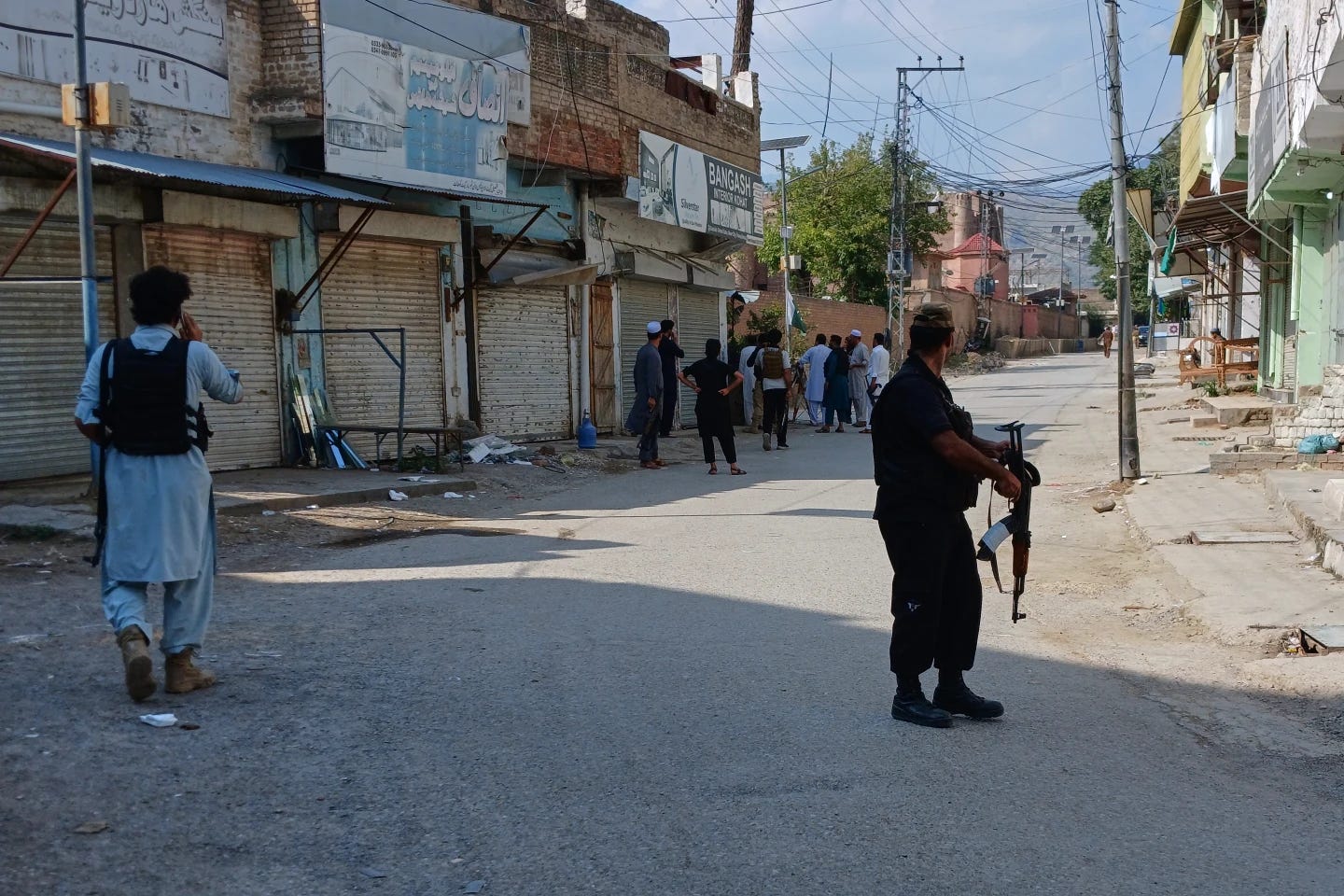
🇵🇰 Pakistan mosque bombing kills at least 15 near police offices. A powerful vehicle bomb struck a mosque beside police offices in Kohat, northwestern Pakistan, killing at least 15 people and wounding 56. Provincial police chief Zulfiqar Hameed said the attacker apparently rammed an explosives-laden vehicle into the mosque. Five police officers and 10 civilians were among those killed, according to senior rescue official Bilal Faizi. Most of the wounded were worshippers, and some remained in critical condition. At least two armed gunmen also tried to enter the police compound and exchanged fire with officers. The blast collapsed part of the police offices’ outer wall and badly damaged the mosque. Witnesses reported hearing the explosion from far away before gunfire followed. Prime Minister Shehbaz Sharif condemned the attack and ordered authorities to accelerate rescue operations. No group immediately claimed responsibility. Suspicion is expected to focus on Tehrik-e-Taliban Pakistan (TTP), commonly called the Pakistani Taliban, which has intensified attacks on police and civilians. The bombing followed a roadside attack in nearby Hangu that killed six soldiers. Security forces also reported killing 10 suspected militants in raids across the region. Khyber Pakhtunkhwa borders Afghanistan and has endured repeated militant violence. The TTP is separate from Afghanistan’s Taliban but allied with it. Pakistan regularly accuses Afghanistan’s government of sheltering TTP fighters, while Kabul denies the allegation. The attack renews scrutiny of security around police installations and mosques in a province where militant violence has repeatedly produced mass casualties.
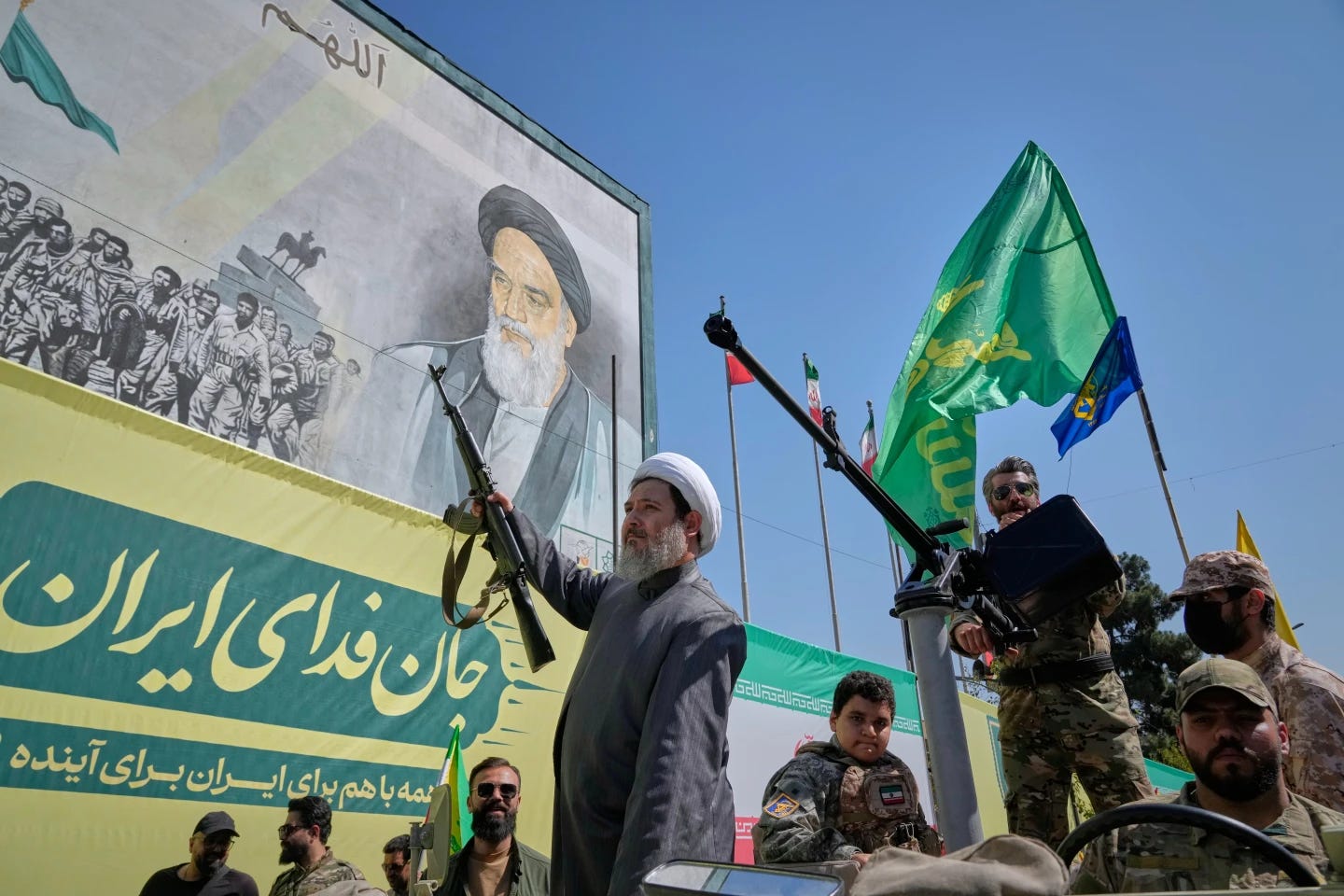
🇮🇷 Hundreds of thousands rally in Iran as war hardens public posture. Hundreds of thousands of Iranians joined a government-organized demonstration in Tehran, pledging readiness to take up arms after months of war with America and Israel. State broadcaster estimates put more than 300K people on the streets. Gen. Hassan Hassanzadeh, head of Tehran’s Revolutionary Guard, said more than 600K people had registered for military training. He said authorities expect participation to exceed 1M. The campaign, called “Janfaday-e Iran,” or “those who sacrifice their lives for Iran,” is intended to add volunteers to Iran’s security apparatus. State media has promoted rifle training for participants. The volunteers would supplement the Revolutionary Guard and its all-volunteer Basij arm. Basij chief Hossein Taeb said the trainees would be prepared for “full-fledged defense.” President Masoud Pezeshkian and military commanders watched the march. Demonstrators carried Iranian flags, while some trampled American and Israeli flags and chanted against both countries. The Guard displayed anti-aircraft batteries, machine guns and drones used around the Strait of Hormuz. Iran has asserted control over the waterway during the war, disrupting energy shipments. The rally comes as sanctions and an American naval blockade deepen economic pressure. It also follows January protests sparked by economic grievances and broader anger at the government. Activists say the crackdown on those demonstrations killed more than 7K people and led to tens of thousands of detentions. The mass mobilization therefore projects external defiance while also expanding a domestic force the government could deploy during future unrest.
🇺🇸 LOCAL NEWS
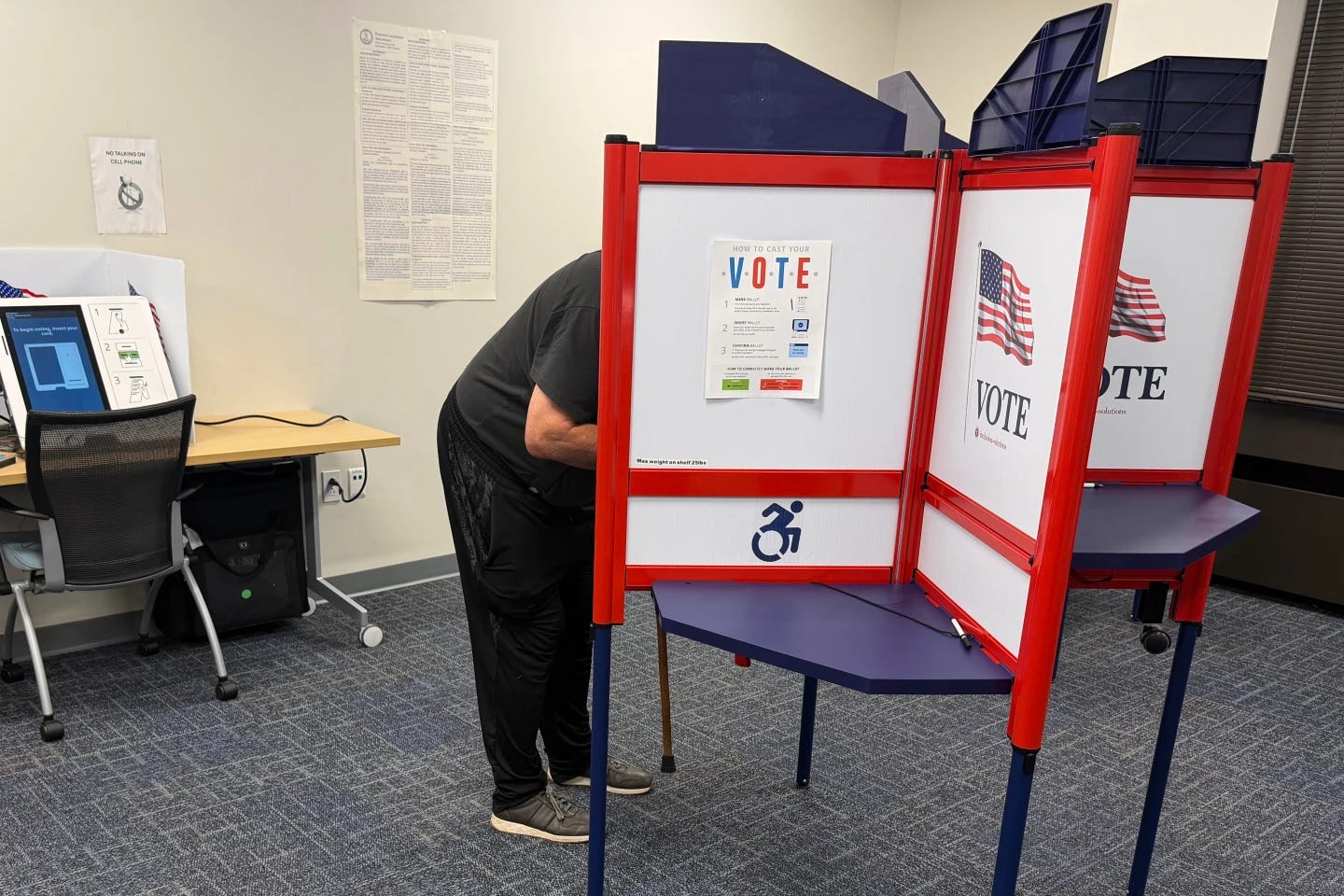
🗳️ Early voting opens as America’s midterm election enters final stretch. In-person early voting began in Virginia, formally opening the final six weeks before the November 3rd midterm elections. Voters in Idaho, Minnesota and South Dakota can also cast absentee ballots in person, with broader early-voting periods beginning elsewhere soon. The election will determine whether Republicans retain their current majorities in the House and Senate. Americans will also choose governors and state legislators in most states. Cost-of-living pressure, the Iran war, immigration enforcement and concerns about AI are among the issues shaping the campaign. Election administrators say voting systems are prepared and secure. President Trump has continued challenging some voting methods and pressing for greater federal influence over election administration. The Supreme Court this week rejected his effort to impose new restrictions on mail ballots before the midterms. The administration is separately pursuing state voter data and investigations into alleged noncitizen voting. Research has consistently found noncitizen voting to be exceptionally rare. The election also follows an unusual wave of mid-decade congressional redistricting. Research indicates roughly 1 in 10 Americans now lives in a different congressional district than in 2024. Texas initiated one major redraw after Trump urged Republican lawmakers there to change the map. California and other states responded with their own changes. Voting-rights groups are urging people using mail ballots to send them early because Postal Service operational changes could affect postmarks. The expanding early-vote period now shifts the midterms from campaign season into active ballot casting.
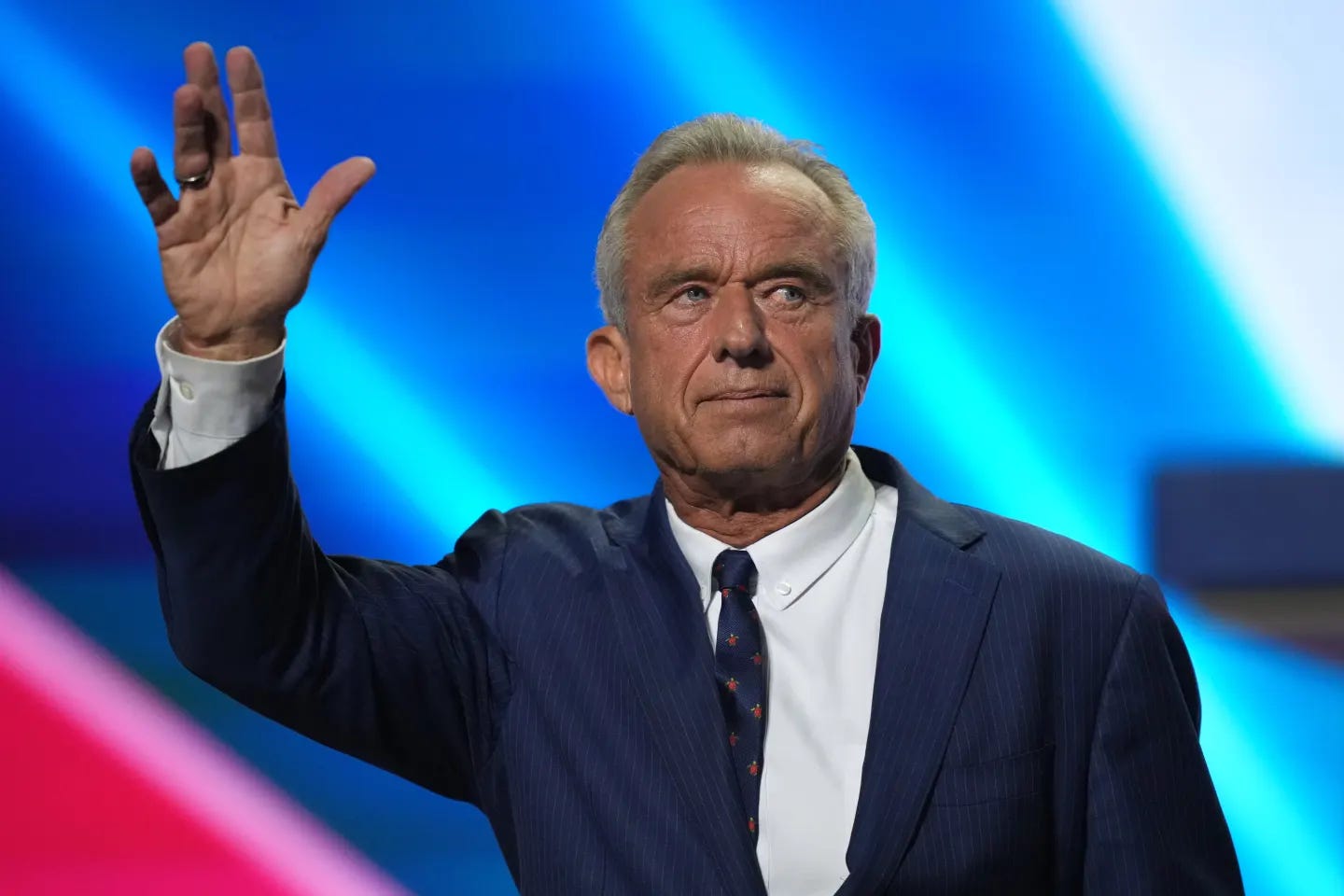
💉 Kennedy tells anti-vaccine activists they have a White House ally. Health and Human Services Secretary Robert F. Kennedy Jr. addressed a Children’s Health Defense conference, telling hundreds of attendees that they had a friend in President Trump’s White House. Kennedy once chaired the anti-vaccine activist organization and served as its chief legal counsel. It was his first appearance at the group’s conference since becoming health secretary. He used the speech to highlight administration efforts to scale back vaccination guidance and reshape vaccine policy. Kennedy praised changes to the childhood vaccination schedule and restructuring of a key vaccine advisory board. A judge has halted some of those actions. He also praised Trump’s executive order seeking to space out the measles, mumps and rubella vaccine against recommendations from major medical groups. Kennedy said the administration had preserved access while questioning assumptions. Medical associations have warned that his approach could increase vaccine hesitancy and confusion. The speech comes during America’s worst measles year since 1991. Seven measles-associated deaths have been reported over the past two years, exceeding the reported total from the previous three decades. Pennsylvania has reported four such deaths this year, all involving unvaccinated people. Kennedy’s appearance also marked a shift back toward vaccine politics after the administration had emphasized food and wellness issues. Children’s Health Defense CEO Mary Holland praised Kennedy’s work. Andrew Wakefield, author of a retracted study falsely linking vaccines to autism, spoke after him. Decades of research have found no causal link between vaccines and autism.
🗂️ MISC
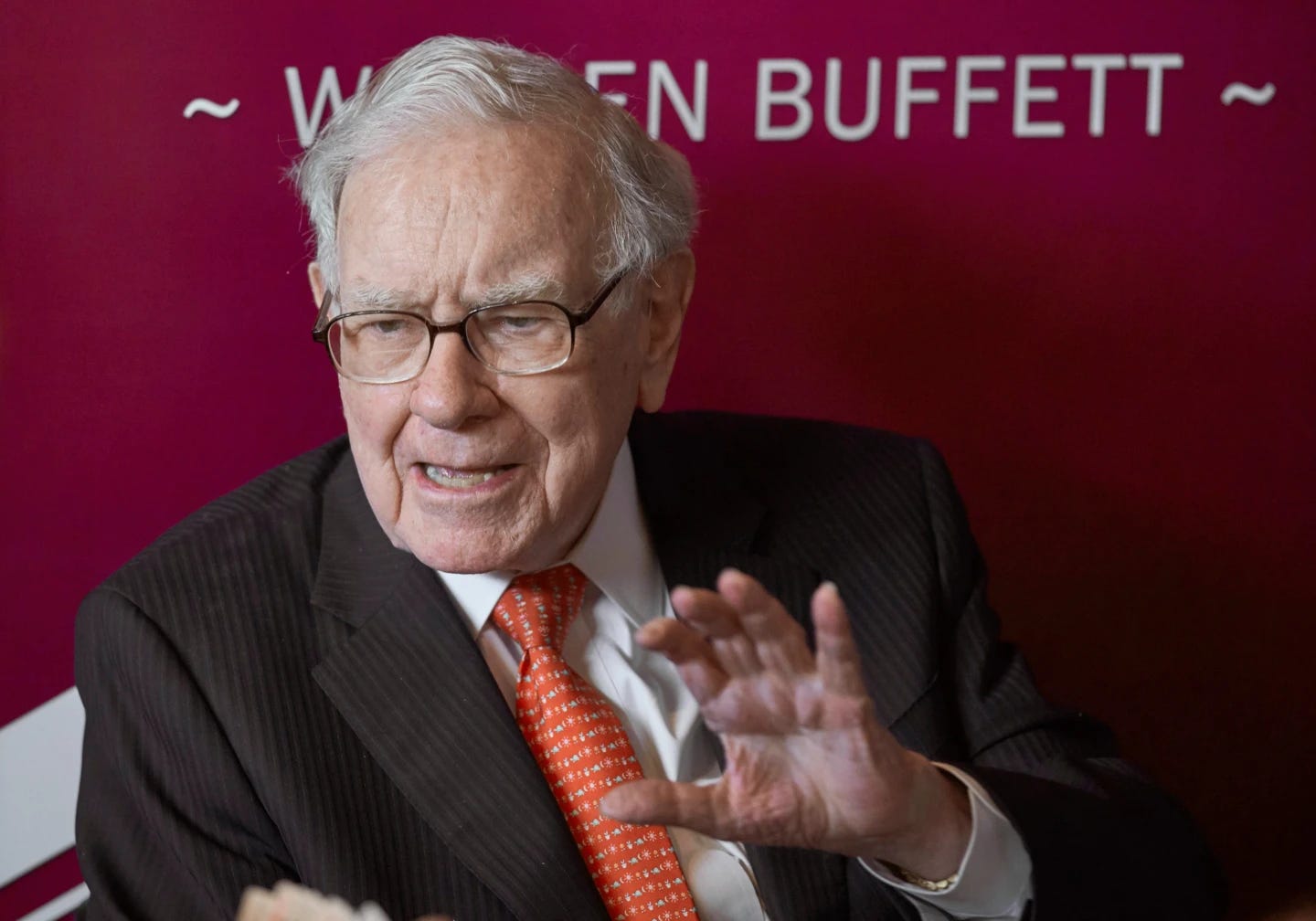
🏦 Warren Buffett steps down after 56 years as Berkshire chairman. Warren Buffett is stepping down as chairman of Berkshire Hathaway ($BRK.B), ending a tenure that began in 1970 and helped turn a fading textile business into a $1T conglomerate. Buffett, 96, will become chairman emeritus immediately and remain a company director. His son Howard Buffett will become chairman after serving on Berkshire’s board since 1993. Greg Abel, who became CEO at the start of 2026, will continue running the company. Buffett said in a shareholder letter that he remains confident in both men. He described Abel as the executive running Berkshire and Howard as the guardian of its culture and values. Buffett joined the company in 1965 and built a reputation for long-term, value-oriented investing. Berkshire eventually assembled operations spanning insurance, railroads, utilities, manufacturing and consumer businesses. Its public stock portfolio has also made the company one of Wall Street’s most closely watched investors. Berkshire crossed a $1T valuation in 2024, becoming one of the first nontechnology companies to reach that mark. During Buffett’s tenure as CEO, Berkshire produced a compounded annual return of 19.9%, compared with 10.4% for the Standard & Poor’s 500. His trades and shareholder letters routinely moved markets and shaped generations of investors. Buffett has also donated roughly $66B in stock since 2006. Shares pointed lower before trading opened after the chairmanship announcement. The transition completes another stage of Berkshire’s long-planned succession while keeping Buffett formally attached to the company he transformed.
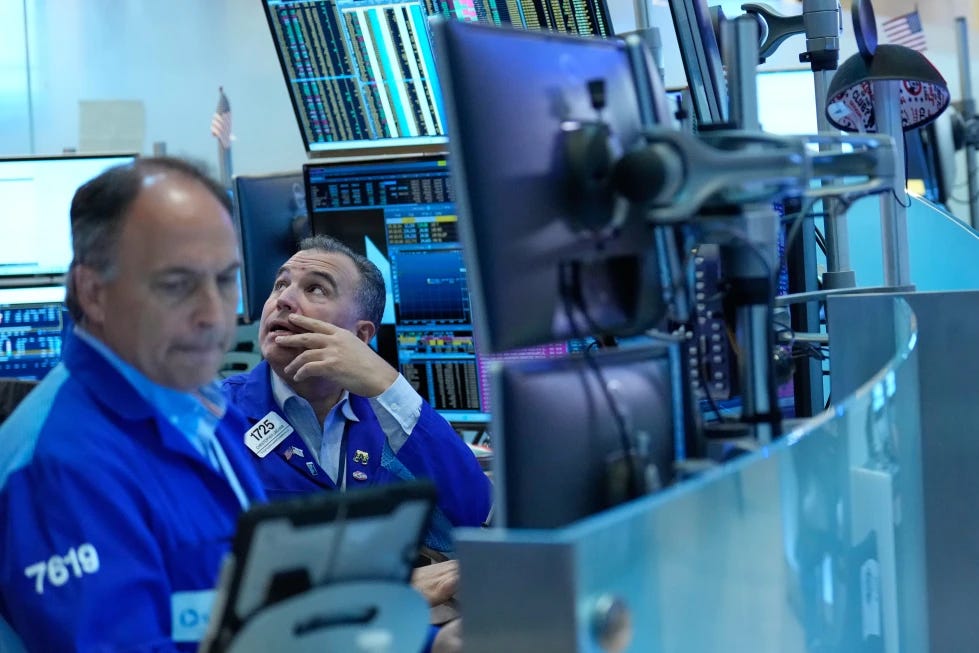
📈 Asian stocks rise as oil eases while European markets slip. Asian markets finished mostly higher after lower oil prices and a Wall Street rally eased some of the pressure created by inflation and rising interest rates. Japan’s Nikkei 225 gained 1.4% to close at 65,018.95. The Bank of Japan raised its benchmark rate from 1% to 1.25%, its highest level in 31 years. The move followed the Federal Reserve’s own quarter-point increase earlier this week. South Korea’s Kospi jumped 2.7% to 6,894.23. Hong Kong’s Hang Seng gained 0.6%, while the Shanghai Composite rose 0.9%. Australia’s S&P/ASX 200 was nearly flat. European trading moved the other direction. France’s CAC 40 fell 0.6%, Germany’s DAX declined 0.5% and Britain’s FTSE 100 lost 0.8% in early trading. American stock futures pointed modestly higher. Oil provided much of the relief after soaring earlier in the week on concerns that the Iran war would restrict Middle Eastern supplies. Brent crude fell 2.15% to $102.57 per barrel in Asian trading. It had approached $110 earlier in the week and remains well above roughly $72 earlier this summer. Benchmark American crude slipped 1.92% to $99.95. Falling oil and easing bond-market pressure have helped improve investor sentiment after several volatile sessions. The Federal Reserve has signaled another rate increase may still come this year. Currency markets remained unsettled, with the dollar rising to 157.73 Japanese yen from 155.95. Markets therefore end the week balancing cheaper energy against tighter monetary policy and persistent inflation.
👀 ICMYI
1. Japan raises its benchmark interest rate to a 31-year high of 1.25%.
2. Russia’s wartime economy faces long-term strain from debt spending.
3. EU associate-member offer could pull Canada closer to European axis.
4. Israeli settlers celebrate new synagogue in the occupied West Bank.
5. Buckingham Palace rejects claims in Princess Diana’s brother’s book.
6. Postal Service halts work on system tied to mail-voting restrictions.
7. Satellites show Earth lost over 12T tons of polar ice over 47 years.
8. Latin America accounts for 85% of environmental defender killings.
9. DoorDash and Uber Eats add delivery from American Costco stores.
10. King Charles meets AI leaders as global safety concerns intensify.
🗣️ SHARE PM DAILY
Please share PM Daily with a friend!
✍️ FEEDBACK
Feel free to reply with your candid feedback.
PM reads and responds to every single email.
That’s all for today! Hope you liked this issue.
Much obliged and many thanks for reading.
See you tomorrow, same newsletter. Onward!